

Sleep Tight or Bite Night?
When you wake up with an itchy red welt or find a tiny crawler on your skin, your first instinct is likely a mix of annoyance and mild panic. In the pest control world, two of the most common culprits we get called about are Bed Bugs and Ticks.
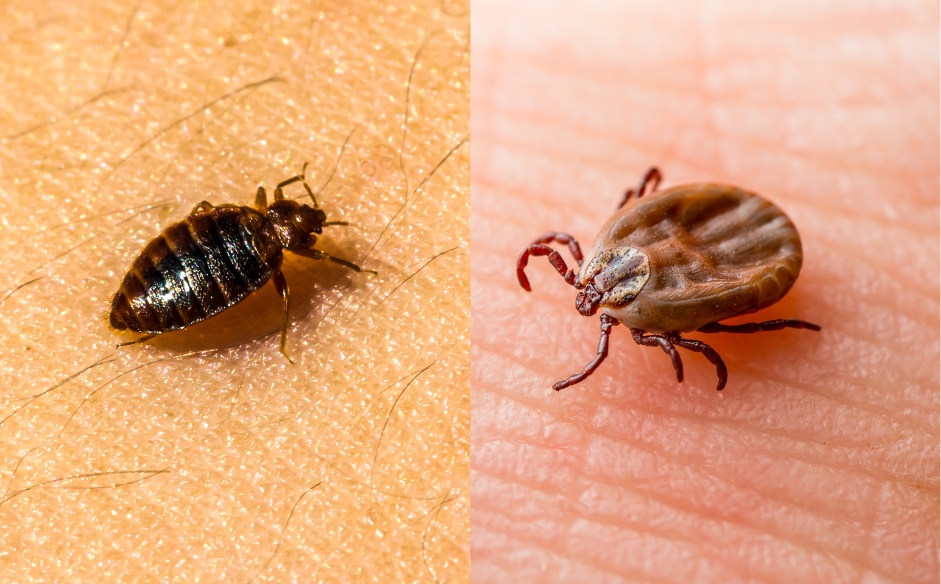
While they might look similar to the untrained eye, they are vastly different pests with different risks. Understanding these differences and why the current heatwave is making them more active is crucial for protecting your home and family.
Identification: Who is the Intruder?
Before you can treat the problem, you have to know what you’re fighting.
The Bed Bug (The Indoor Specialist)
Bed bugs are small, flat, oval-shaped insects about the size of an apple seed. They are reddish-brown, have six legs, and long antennae. They don’t fly or jump; they are "hitchhikers" that travel on luggage, used furniture, or clothing to get inside your home.
The Tick (The Outdoor Opportunist)
Ticks are actually arachnids (related to spiders), meaning adults have eight legs and no antennae. They are teardrop-shaped and can change dramatically in appearance; once they’ve had a "blood meal," they become engorged, round, and often turn a greyish-blue colour
Behavior: How They Feed
The way these pests interact with you is the biggest giveaway of which one you’re dealing with.
The "Hit and Run":
Bed bugs are nocturnal. They hide in the seams of your mattress, bed frame, and couches, and in cracks during the day, and come out at night to feed for about 5 to 10 minutes before scurrying back to their hiding spot. This is why you often see a line of three or four bites, often called "breakfast, lunch, and dinner."
The "Long-Term Guest":
Ticks don't hide in your bed; they wait in tall grass or shrubs for you to walk by. Once they grab onto a host, they burrow their mouthparts into the skin and stay attached for several days. If you find a bug that is "stuck" to you, it is almost certainly a tick.
Why the Heat Period is "Pest Season"
You might have noticed more activity lately. That’s not a coincidence. Heat is a biological catalyst for pests.
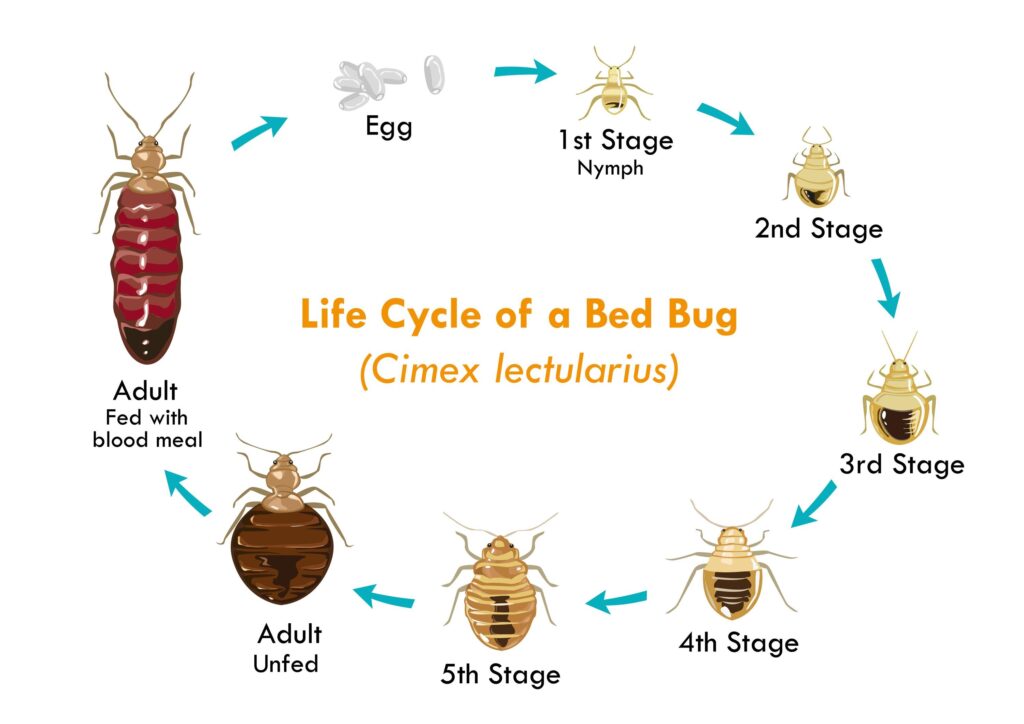
- Faster Life Cycles: In warmer temperatures, bed bugs develop from eggs to breeding adults much faster. An infestation that might have taken months to grow in the winter can explode in just a few weeks during a heatwave.
- Increased Activity: Ticks are cold-blooded. As the ground warms up, they become more active and seek out hosts more aggressively.
- Human Behavior: During the heat, we spend more time outdoors (increasing tick exposure) or traveling for vacations (the #1 way bed bugs spread).
The Risk Factor: Why DIY Isn't Enough
Many homeowners try to handle these pests with "bug bombs" or over-the-counter sprays. Here’s why that’s a gamble:
For every one bed bug you see, there are likely dozens more hiding in electrical outlets, behind baseboards, or inside your bed frame.
Bed bugs have developed a high resistance to many common retail pesticides. Spraying them often just drives them deeper into your walls, making the problem harder to fix later.
Don’t Fight the Battle Alone
Your home should be your sanctuary, not a feeding ground. Professional pest control doesn’t just kill the bugs you see; we eliminate the colony and create a protective barrier to keep them from coming back.